Genetics, Genomics, Biotechnology and Agronomy

Purpose
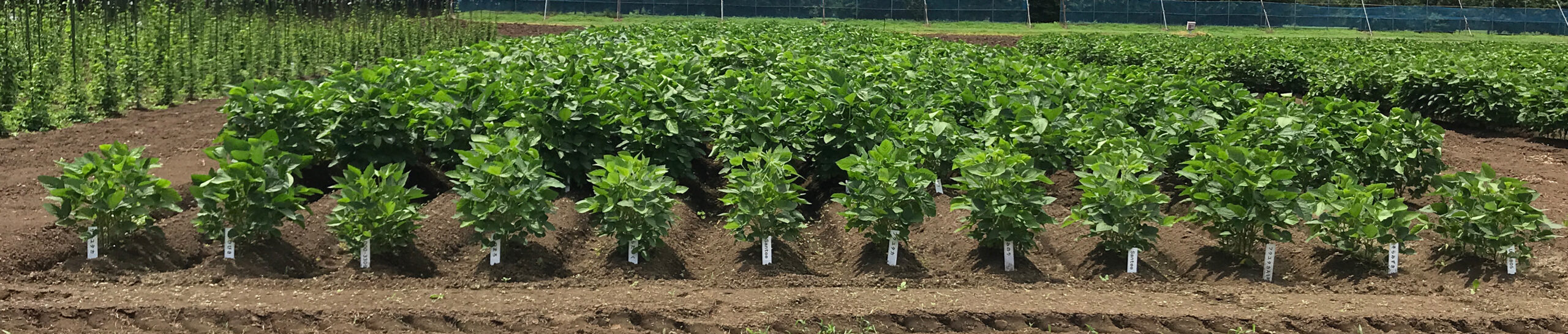
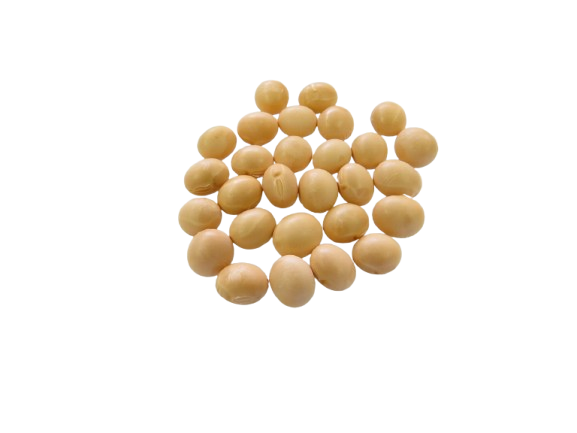
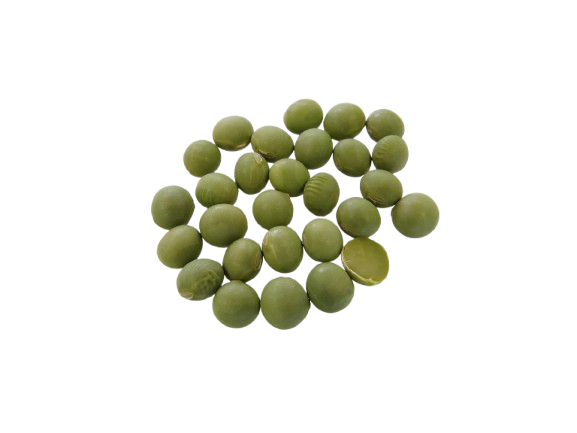
Global consumption of soybeans has been increasing year by year, driven not only by the production of edible oils or animal feed but also by the expanding use of soybeans as biodiesel fuel and plant-based protein sources. In Japan, soybeans are processed into a wide variety of foods and are indispensable ingredients in traditional Japanese cuisine. However, approximately 75% of Japan’s food-grade soybeans rely on imports, raising concerns about future price increases due to competition with other countries, as well as foreign exchange risks associated with the weakening yen. To mitigate these food security risks, cross-ministerial Strategic Innovation Promotion Program 3 (SIP3) “Building a Resilient and Nourishing Food Supply Chain Management for a Sustainable Future” is working to increase domestic soybean production and to advance the development of new varieties and cultivation techniques that will ensure a stable supply.
This international symposium aims to showcase leading research outcomes from Japan and to present the latest global developments through experts from public institutions and breeding companies in high-yielding regions overseas. By bringing together cutting-edge insights on breeding technologies, genome editing, cultivation practices, and other essential innovations, the symposium will provide a platform to discuss pathways toward increasing soybean production and ensuring a stable supply.
ABOUT
Hall D5 (poster session)
https://www.t-i-forum.co.jp/en/facilities/d7/
*Only on-site; no online streaming.
Access:https://www.t-i-forum.co.jp/en/access/
Poster Session:
- With food and beverages (Fee required)
- Without food and beverages (Free)
Registration
Please complete the information on the registration form below to apply.
Application Deadline: Monday, February 16,2026, 12:00PM(JST)
※Registration will close once capacity is reached.
The Abstract Book will be sent electronically by the Symposium Secretariat. Printed copies will not be distributed; please prepare your own copy as needed.
The English operation manual for the participant registration form is available at the link below.
Poster Presentation
Those wishing to give a poster presentation are required to complete both the “Participant Registration” and the “Poster Presentation Registration.”
As the number of posters is limited to 50, some submissions may be declined. We appreciate your understanding in advance. The symposium secretariat will notify you of your presentation status. Please prepare all posters (A0 size) in English and bring them with you on the day of the symposium (posting available from 9:00 AM).
Presentation Entry Deadline: Monday, February 2, 2026, 12:00 PM (JST)
Abstract Submission Deadline: Monday, February 2, 2026, 12:00 PM (JST)
Notification of Acceptance/Rejection: Friday, February 6, 2026
Poster Presentation Registration
Poster EntryPlease note:
To submit a poster presentation, you are required to log in with a Google account when completing the Poster Presentation Registration form.
If you do not have a Google account, please send the following information by email to the Symposium Secretariat (soybean-symposium-info@e-webinar.net):
- Full name
- Email address
- Affiliation
- Poster title
- Abstract (one A4-sized PDF file, one page) Abstract Template (Download)
For Presenters Sharing SIP 3 Results
If you plan to present research conducted under SIP3, prior approval is required.
Please submit Public Relations Form 1 together with a draft abstract (a preliminary draft is acceptable) by email to the SIP3 “Enriched Food” Subproject A Secretariat.
Deadline for advance submission of Public Relations Form 1 and the draft abstract:
Tuesday, January 20, 2026 (documents must be received by this date)
Submission address:
SIP3 “Enriched Food” Subproject A Secretariat
Please note:
This office is different from the Symposium Secretariat.
Program
Responses to Global Change
Food and beverages will be available for participants who have registered in advance. Please note that the cost will be at the participant’s own expense.
Contact for Inquiries Regarding This Symposium
Symposium Secretariat
E-mail: soybean-symposium-info@e-webinar.net